When most people think about Emergency Medical Technicians (EMTs), they picture flashing lights, ambulance sirens, and high-pressure emergencies. While those moments are certainly part of the job, the reality of being an EMT is much more dynamic. Every shift is a blend of patient care, critical thinking, teamwork, and readiness to respond when someone needs help most.
If you’re considering a career in emergency medical services, understanding what a typical day looks like can help you decide if this rewarding profession is right for you.
Starting the Shift: Preparation Comes First
Once dispatch alerts the crew, EMTs must be ready to act immediately. A single shift can include responses to:
- Motor vehicle accidents
- Cardiac emergencies
- Respiratory distress
- Falls and traumatic injuries
- Diabetic emergencies
- Stroke patients
- Public event medical incidents
- Non-emergency medical transports
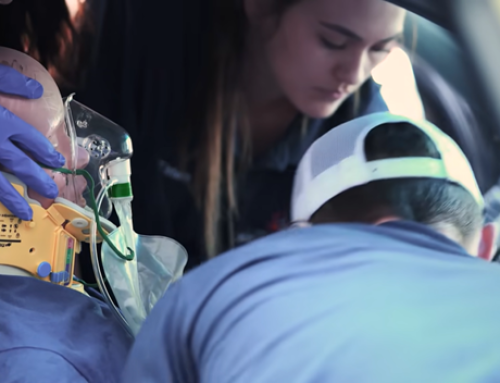
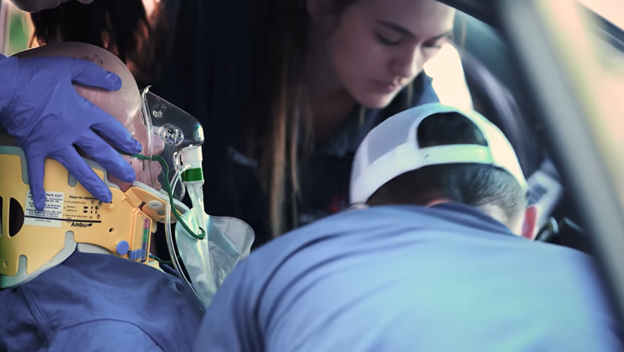
Upon arrival, EMTs quickly assess the scene, evaluate patients, provide emergency care, and determine the most appropriate course of action. The ability to stay calm under pressure is one of the most important skills an EMT develops.
Patient Care and Critical Thinking
Many people assume EMTs simply transport patients. In reality, they are making important medical decisions every day. EMTs must:
- Conduct patient assessments
- Monitor vital signs
- Administer oxygen
- Perform CPR when needed
- Manage airways
- Control bleeding
- Stabilize injuries
- Communicate patient information to hospitals
Every patient is different, and EMTs must adapt quickly to changing situations. Strong communication and problem-solving skills are often just as important as medical knowledge.
Documentation: The Part Nobody Talks About
After each call, EMTs complete detailed patient care reports. These reports document:
- Patient symptoms
- Treatments provided
- Vital signs
- Medical history
- Transport information
Accurate documentation helps ensure continuity of care and serves as an important legal and medical record. While it may not be the most exciting part of the job, documentation is a critical responsibility for every EMT.
Continual Learning on the Job
One of the biggest attractions of an EMT career is that every day provides an opportunity to learn. New EMTs quickly develop experience handling:
- Medical emergencies
- Trauma patients
- Communication with healthcare teams
- Crisis management
- Patient advocacy
Many EMTs use this experience as a stepping stone toward careers in firefighting, paramedicine, nursing, law enforcement, emergency medicine, physician assistant programs, or medical school.
The Rewards of Being an EMT
The challenges of EMS are significant, but so are the rewards. EMTs have the opportunity to:
- Make an immediate difference in people’s lives
- Serve their communities
- Build confidence under pressure
- Learn valuable healthcare skills
- Develop lifelong friendships with colleagues
- Launch careers in healthcare and public safety
For many EMTs, knowing they helped someone on their worst day makes the job incredibly meaningful.
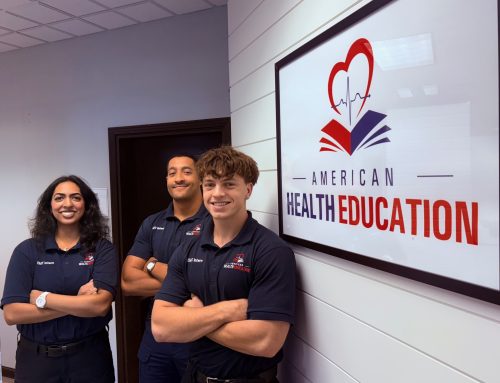
How American Health Education (AHE) Prepares You for Real EMT Life
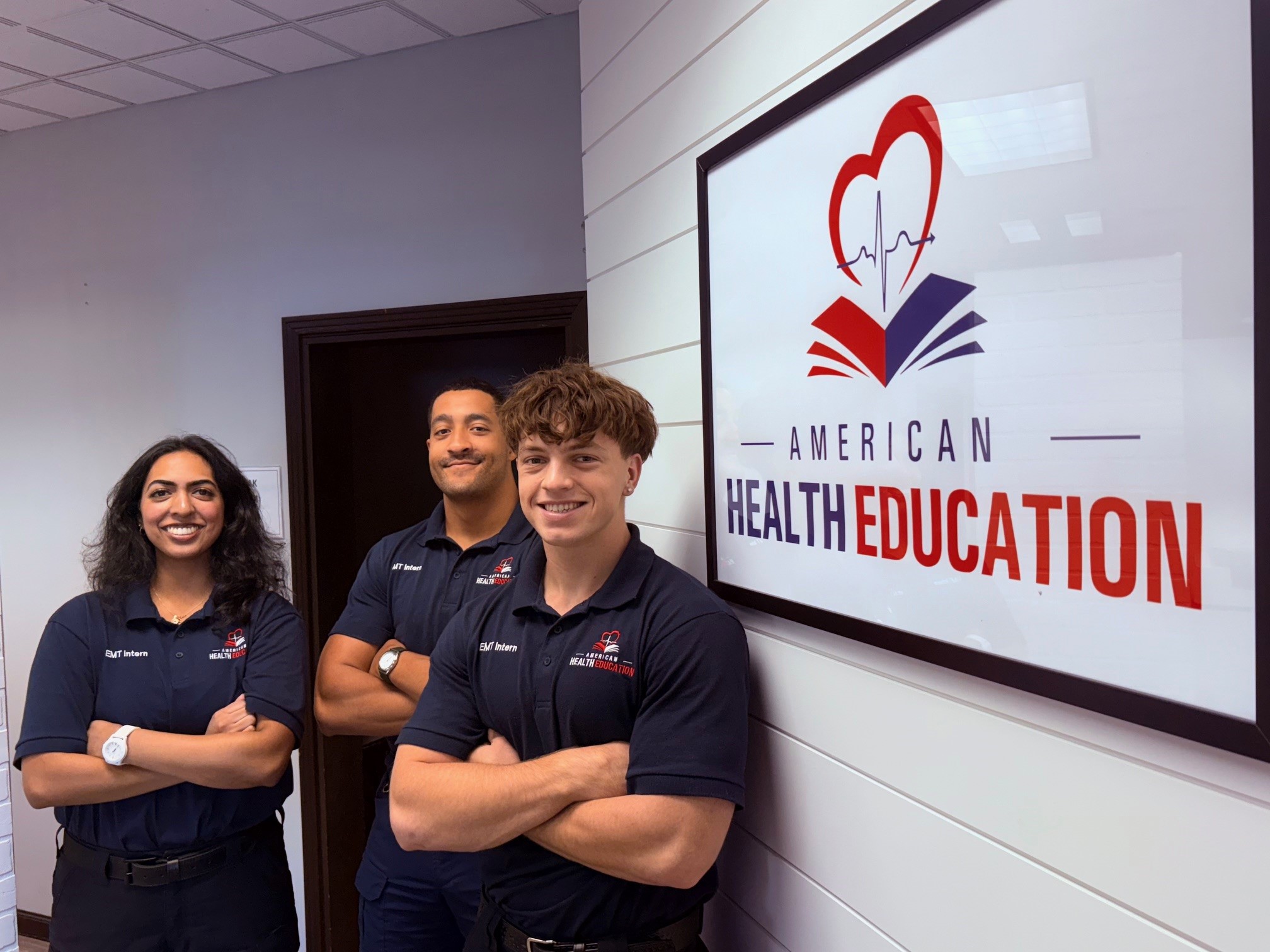
The best way to prepare for a career as an EMT is through hands-on, real-world training. At American Health Education (AHE), students don’t just learn from textbooks. They learn the practical skills and clinical decision-making needed to succeed in the field. AHE’s EMT-Basic Initial Training Program includes:
- 160 hours of classroom and skills training
- 24 hours of supervised field ride-along experience
- National Registry skills testing
- Externship placement with contracted providers
- Instruction from experienced EMTs and paramedics
- Accelerated weekday and weekend program options designed to fit different schedules
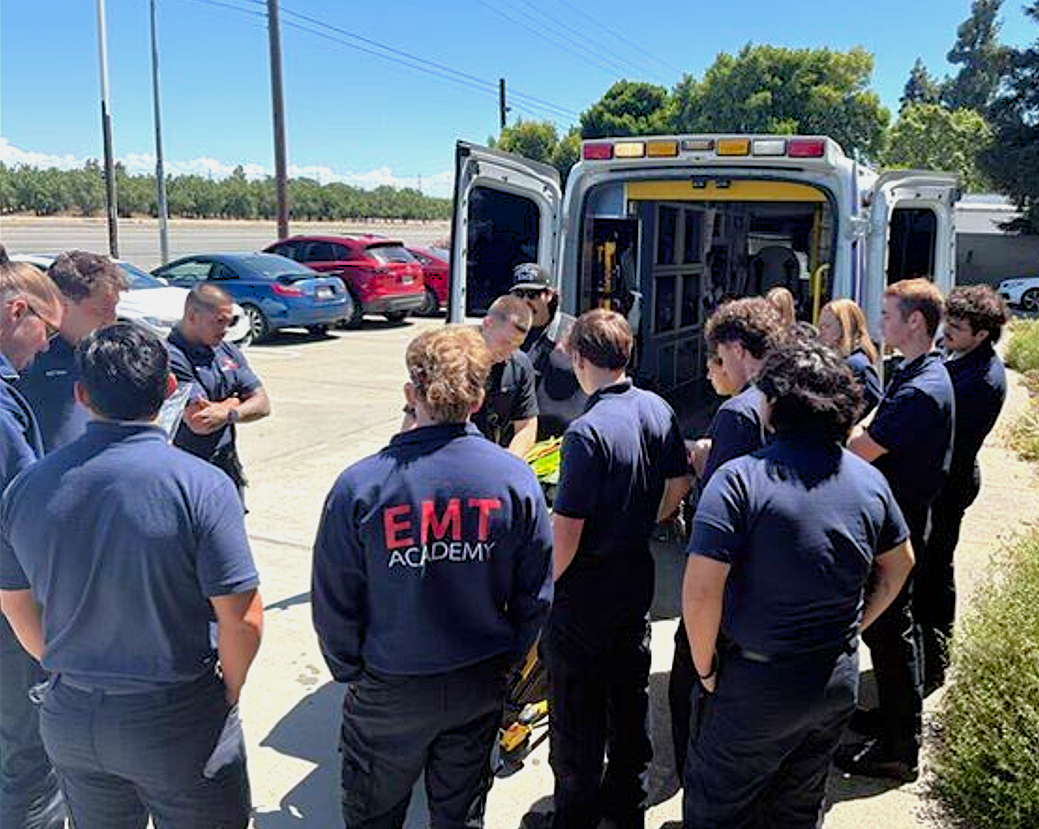
One of the most valuable aspects of AHE’s program is the opportunity to experience what a real day in the life of an EMT looks like through field ride-alongs and practical training exercises. Students gain firsthand exposure to patient care, emergency response procedures, and the realities of working in EMS before entering the workforce.
AHE also prepares students for certification and career opportunities by focusing on the knowledge, skills, and competencies needed to excel in emergency medical services. Graduates are ready to pursue EMT positions and build foundations for future careers in healthcare and public safety.
Is an EMT Career Right for You?
If you enjoy helping others, thrive in fast-paced environments, and want a career where every day is different, becoming an EMT may be the perfect fit. The journey starts with quality training, hands-on experience, and a commitment to learning. With programs designed to help students move from classroom to career quickly, American Health Education provides a pathway for those ready to answer the call.
Ready to start your EMT journey? AHE offers accelerated and weekend EMT training programs in Northern California that can put you on the path toward certification and an exciting career in emergency medical services.