
For many students, earning an Emergency Medical Technician (EMT) certification is more than a credential. It is the first step toward a rewarding healthcare career. EMTs play a critical role in emergency response, providing life-saving care during some of life’s most challenging moments. However, what many prospective students do not realize is that EMT certification can also open doors to a wide range of healthcare and public safety professions.
Whether you plan to stay in emergency medicine or use your EMT experience as a foundation for further education, there are numerous career paths available. Here’s a look at some of the most common opportunities after becoming a certified EMT.
Start Your Career as an EMT
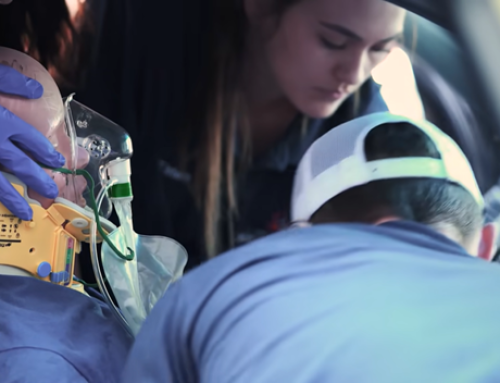
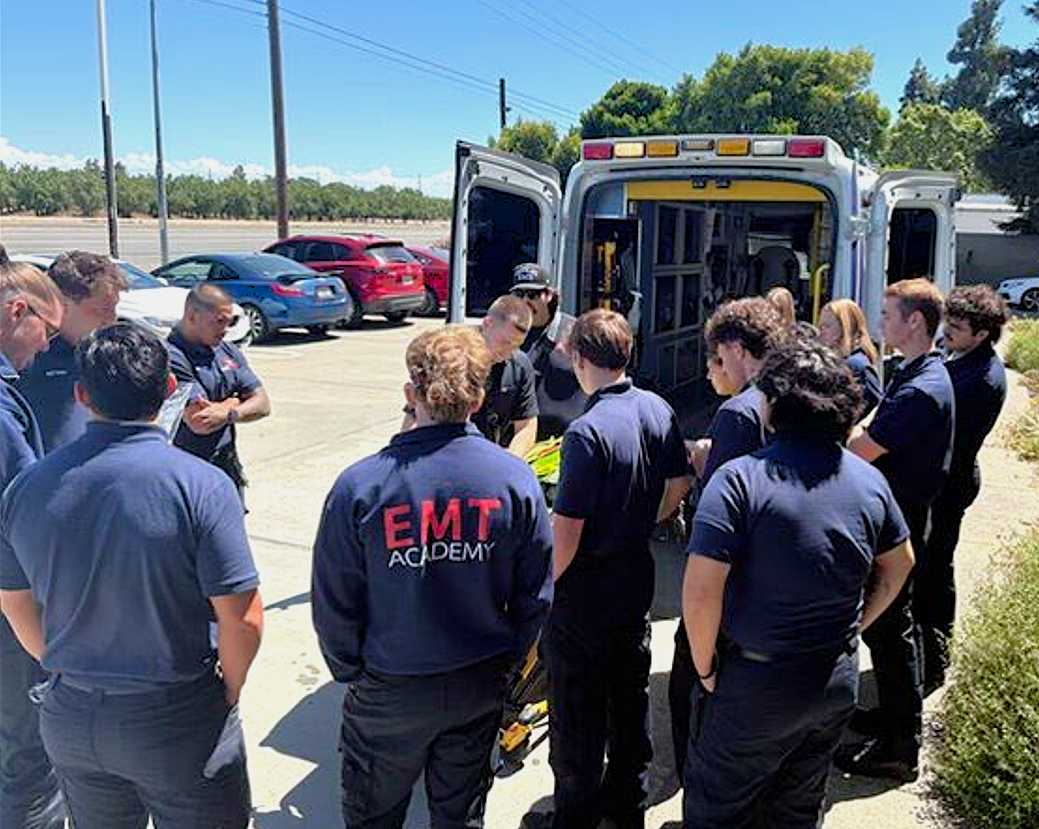
The most direct path after certification is working as an EMT in emergency medical services (EMS). EMTs respond to 911 calls, assess patient conditions, provide basic life support, and transport patients to medical facilities. Working in EMS offers valuable hands-on experience in:
- Patient assessment
- Emergency response
- Trauma care
- Communication under pressure
- Team-based healthcare delivery
For many individuals, EMT work is both a fulfilling long-term career and an excellent way to gain real-world healthcare experience.
Example Career Settings:
- Ambulance services
- Fire departments
- Hospital emergency departments
- Event medical teams
- Industrial and workplace safety programs
Advance to Paramedic
One of the most popular next steps after EMT certification is becoming a paramedic. Paramedics receive advanced medical training that allows them to perform more complex procedures and provide a higher level of patient care. Additional responsibilities may include:
- Administering medications
- Starting intravenous (IV) lines
- Advanced airway management
- Cardiac monitoring and interpretation
- Advanced life support interventions
Paramedics typically enjoy greater responsibilities, increased earning potential, and expanded career opportunities within emergency medicine.
Pursue a Career in Firefighting
Many fire departments require or strongly prefer firefighter candidates who possess EMT certification. Since medical emergencies often account for a significant portion of fire department calls, EMT training provides valuable skills that enhance a firefighter’s effectiveness. An EMT background can help candidates:
- Meet hiring requirements
- Strengthen their applications
- Improve patient care capabilities
- Increase versatility during emergency responses
- Many firefighters begin their public safety careers as EMTs before advancing within the department.
Use EMT Experience as a Pathway to Nursing
EMT certification provides an excellent foundation for students interested in becoming registered nurses (RNs) or licensed practical nurses (LPNs). The skills learned as an EMT often translate well into nursing education, including:
- Vital signs assessment
- Patient communication
- Emergency care principles
- Clinical decision-making
- Medical terminology
Admissions committees frequently view EMT experience favorably because it demonstrates real-world patient care exposure and commitment to healthcare.
Prepare for Medical School or Physician Assistant Programs
Many pre-medical and physician assistant (PA) students become EMTs to gain direct patient care experience before applying to professional programs. EMT work helps develop:
- Clinical confidence
- Critical thinking skills
- Patient interaction experience
- Understanding of healthcare systems
- Exposure to diverse medical conditions
For students pursuing advanced healthcare careers, EMT certification can be a valuable resume builder and educational stepping stone.
Explore Emergency Department Technician Roles
Hospitals often hire EMTs as Emergency Department (ED) Technicians. These professionals work alongside nurses and physicians in fast-paced emergency departments. Common responsibilities include:
- Taking vital signs
- Assisting with patient transport
- Preparing treatment areas
- Performing basic patient care tasks
- Supporting emergency procedures
This role allows EMTs to gain hospital experience while continuing to build clinical skills.
Work in Industrial or Occupational Health
Large corporations, manufacturing facilities, construction sites, and industrial workplaces often employ EMTs to support employee health and safety initiatives. In these environments, EMTs may:
- Provide first aid and emergency care
- Respond to workplace injuries
- Conduct health screenings
- Support safety training programs
- Assist with emergency preparedness planning
These positions may offer more predictable schedules while allowing EMTs to continue using their medical expertise.
Transition Into Law Enforcement
Many law enforcement agencies value candidates with EMT certification because emergency medical knowledge can be beneficial during critical incidents. EMT-trained officers may be better prepared to:
- Respond to accidents
- Provide immediate medical assistance
- Manage crisis situations
- Support community safety initiatives
The combination of medical and public safety training can make candidates highly competitive in the hiring process.
Become a Flight Medic or Critical Care Provider
For EMTs who advance to paramedic certification and gain experience, specialized opportunities such as air medical transport may become available. Flight medical teams transport critically ill or injured patients between medical facilities or from accident scenes. These positions typically require extensive training and experience but offer exciting opportunities for career advancement.
Continue Your Education in Healthcare
Many healthcare professionals start their journey as EMTs before moving into advanced roles such as:
- Registered Nurse (RN)
- Nurse Practitioner (NP)
- Physician Assistant (PA)
- Physician
- Respiratory Therapist
- Radiologic Technologist
- Healthcare Administrator
The communication skills, patient care experience, and medical knowledge gained through EMT work create a strong foundation for future success.
Why EMT Certification Is a Valuable First Step
EMT certification offers more than entry into emergency medical services. It provides practical healthcare experience, develops critical professional skills, and creates pathways to diverse careers in medicine, public safety, and healthcare leadership.
For students exploring healthcare careers, EMT training can serve as both a meaningful profession and a launching point for long-term advancement. Whether your goal is to become a paramedic, nurse, firefighter, physician, or public safety professional, EMT certification is often the first step toward making a lasting impact on the lives of others.
Begin Your Healthcare Journey
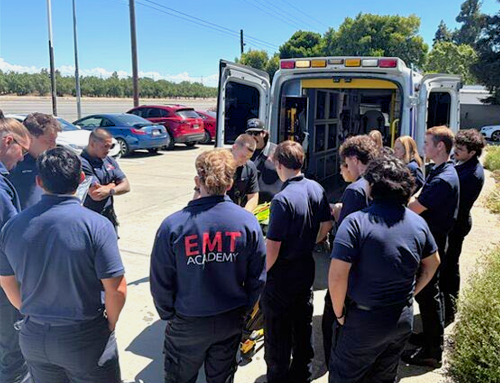
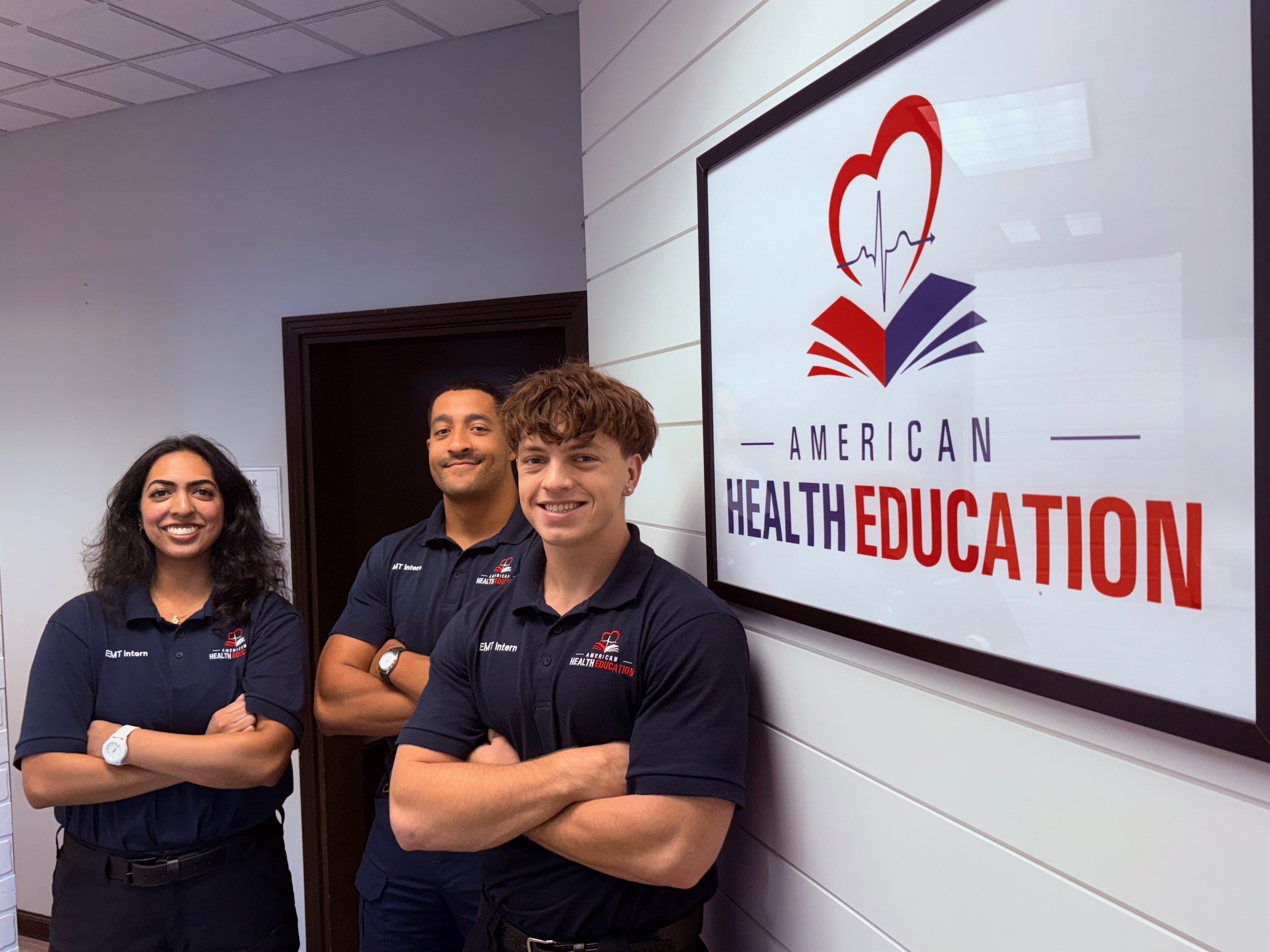
At American Health Education, EMT training programs are designed to provide students with the knowledge, skills, and confidence needed to enter the healthcare field and pursue a variety of career opportunities. The experience you gain as an EMT can serve as a powerful foundation for a future dedicated to helping others when they need it most.